a podcast about the resiliency of new yorkers in times of crisis
Each episode of New York Gritty highlights a different area of the city’s economy and social fabric as host Steve Kastenbaum celebrates the anonymous and famous heroes who keep New York’s magic alive during dark times.
Latest Episodes

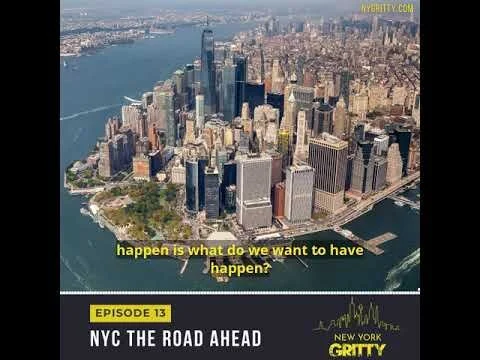
Throughout the New York Gritty podcast we heard from people in a variety of areas who share the unshakeable belief that New York will mount an epic recovery from the pandemic crisis, that it is just a matter of time. The city bounced back from many crises in the past - the fiscal crisis of the 1970’s, a crime wave in the late 80’s and early 90’s, 9/11, the Great Recession, superstorm Sandy. Through each major event New Yorkers banded together and showed their resilience while waiting for the city to recover. In this season one finale episode New York Gritty looks at what lessons can be learned from the past to guide the city through its current crisis and the inevitable comeback.
(Interviews with Thomas Dyja, author of New York, New York, New York, and Kathryn Wylde, President and CEO of the Partnership for New York City)
Listen on Apple Podcasts, Spotify, Google Podcasts, Stitcher, Amazon.

Almost 67 million people visited New York in 2019. Tourists spent over $40 billion while in the city that year. The tourism industry supported more than 403,000 jobs in New York before the pandemic. While domestic tourists started returning in the 2nd quarter of 2021, there's a long way to go before reaching pre-pandemic figures, and international travel is still at a virtual standstill. New York depends greatly on tourist dollars. The outlook is for a big increase in visitors when Broadway reopens in September. But most forecasts say tourism in New York won't reach pre-pandemic levels again until 2024. There's a renewed push to tell travelers that New York is open for business, and it's never been more affordable. An overabundance of hotel rooms means you can spend a night in New York at a good hotel for as little as $100 a night.
(Interviews with Chris Heywood of NYC & Company, Tom Harris of the Times Square Alliance, Vijay Dandapani of the Hotel Association of New York, hotel owner John Fitzpatrick, tour guide Christina Ray Stanton, Grand Slam store co-owner David Cohen, and The Naked Cowboy)
Listen on Apple Podcasts, Spotify, Google Podcasts, Stitcher, Amazon.

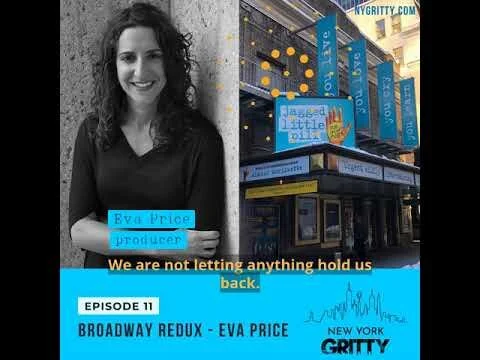
The longest shutdown in the history of Broadway has an end in sight. If all goes according to plan, many theaters will reopen in September. When the theater district went dark it starved New York of a $1.75 billion industry. The loss of tourists in the Theater District had a ripple effect and many businesses closed for good. When the lights come back on, more than 12,000 people will return to an art form that is part of the heart and soul of New York City. Jagged Little Pill producer Eva Price reflects on the long journey to the return of theater on the Great White Way.
(Featuring Tony Award winning producer Eva Price, Mayor Bill de Blasio and Lin-Manuel Miranda)
Listen on Apple Podcasts, Spotify, Google Podcasts, Stitcher, Amazon.

Real Estate is king in New York. The city has been growing non-stop ever since the Dutch arrived in 1609. In 2019, real estate generated $31.9 billion in tax revenue for the city. That’s 53% of New York’s total tax revenue. The stable source of revenue provided the foundation for a myriad of public services, making New York an attractive and desirable place to live. But when the Covid pandemic hit and office towers emptied out, it put the future of real estate in question. The issue was compounded when the residential vacancy rate hit a record high. The real estate sector is pivoting to meet the changing needs of the city's commercial and residential tenants, and an evolving landscape.
(Interviews with Jordan Barowitz of The Durst Organization, Ellen Israel of JRT Realty, Philippe Visser of The Related Companies, Tony D'Anzica of The Hudson Gateway Association of Realtors, Michelle de la Uz of The 5th Avenue Committee)
Listen on Apple Podcasts, Spotify, Google Podcasts, Stitcher, Amazon.

It's not clear how many people worked in the sex trade in New York prior to the coronavirus pandemic. It's a broad term that covers a wide variety of work. Much of it is legal and doesn't include sexual intercourse. But when the city shut down in March of 2020, whether they were strippers, escorts or dominatrixes, they were pushed further into the margins. Many found their way onto adult websites, competing in an already crowded marketplace. But as their pandemic wore on, some started seeing clients again, and a few never stopped.
(Interviews with Melissa Broudo of Decriminalize Sex Work, high end escort Mia Lee, adult entertainers Angel Provacateur, Marcela Alonso and Colleen, Chemistry-NYC erotic party host Kenny Blunt)
Listen on Apple Podcasts, Spotify, Google Podcasts, Stitcher, Amazon.

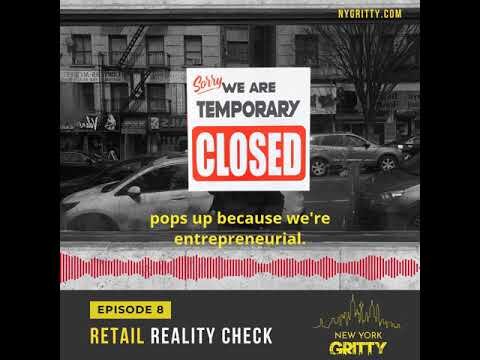
The more than 344,000 people who work in retail stores across New York City earned over $16 billion in wages in 2019. When the pandemic shut down was enacted, foot traffic in New York's commercial corridors fell by 90%. By December 2020 it was still down 16% compared to in the previous year. While online commerce exploded in 2020, retail business owners fell further behind in paying their rent and bills. The impact was felt the most in places where people had less to spend. Those mom and pop businesses are determined to stay afloat, but they need help to stop from sinking.
(Interviews with Ubaldo Santos of the BJT Bronx Commercial District Association, Angel Caballero of Davidson Community Center, Pierina Sanchez of the Jerome Avenue Revitalization Collaborative, Francisco Martin of the Bodegas and Small Business Association, Stephanie Afum owner of Eddie's Place African Market)
Listen on Apple Podcasts, Spotify, Google Podcasts, Stitcher, Amazon.

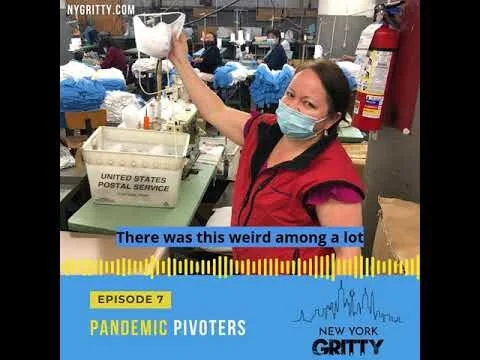
When New York's economy was shut down overnight because of the coronavirus pandemic the city went from a record level of employment to one out of every five people being out of work. At the start of the new year, the unemployment rate in New York was still above 12%, much higher than the national average. Most of those people collected jobless benefits. But some used the crisis as an opportunity to re-evaluate their professional lives, to reinvent themselves and pivot to something new.
(Interviews with Phil Franzos of Accurate Knitting, chef Cava, cake maker Alex LaRosa, ice cream entrepreneur Ruth Li, Aerialist/Circus Performer Kyla Ernst Alper)
Listen on Apple Podcasts, Spotify, Google Podcasts, Stitcher, Amazon.

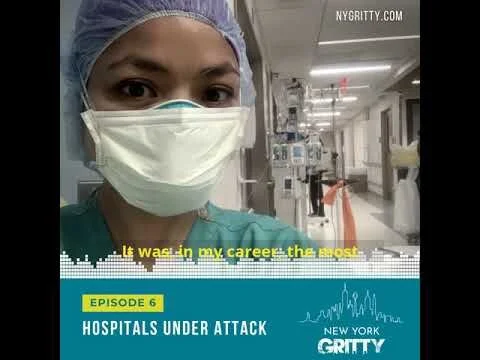
There are 62 hospitals across New York City, ranging from mammoth healthcare networks to the 11 public hospitals run by the city to long standing independent neighborhood institutions. Regardless of their size and resources, each one faced unprecedented challenges when the city became the epicenter of a pandemic that took the lives of as many as 800 New Yorkers a day. Over 76,000 volunteers came to New York to help those doctors and nurses through the crisis. The lessons learned are prompting changes across all sectors of healthcare.
(Interviews with Mount Sinai Hospital President Dr. David Reich, Elmhurst Hospital Emergency Department Director Dr. Stuart Kessler, John Ferrara - Vice President of Operations at Brooklyn Hospital Center, critical care nurse Ruth Levy, Dr. Arabia Mollette, Dr. Mark Fenig)
Listen on Apple Podcasts, Spotify, Google Podcasts, Stitcher, Amazon.

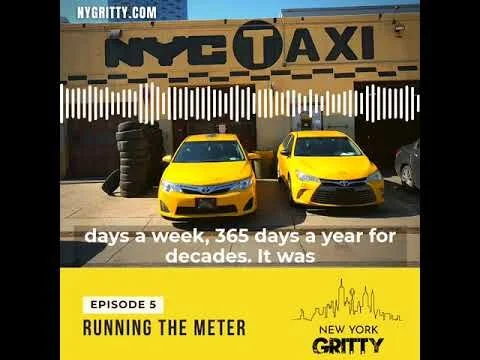
New York's iconic yellow taxis never stopped roaming the streets looking for fares during the coronavirus pandemic. Taxi drivers were deemed essential workers, but when the city shut down, their customers disappeared. Already facing a crisis because of competition from Uber and Lyft, licensed taxi drivers and owners saw their incomes dry up. In this crisis, they see an opportunity to reinvent their industry, to restructure debt and return them to a living wage.
(Interviews with Bhairavi Desai of the New York Taxi Workers Alliance, Michael Woloz of the Metropolitan Taxi Board of Trade, fleet owner Richard Wissak, NYC Cabbies)
Listen on Apple Podcasts, Spotify, Google Podcasts, Stitcher, Amazon.

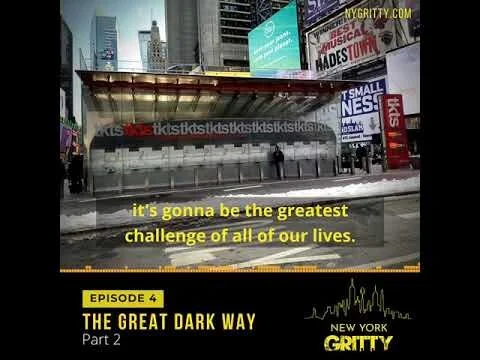
As the shutdown of New York's theater district reached the one year mark, the Broadway community could see a light at the end of the tunnel. But it seemed very far off and the road to that light was anything but straight. Over 90,000 jobs depend on the Broadway economy, and those people were anxiously awaiting the return of theatergoers to the Great White Way. Finding a path to a safe and full recovery is proving to be a heavy lift, but one that New Yorkers are confident will be successful. Broadway has survived many crises in the past, but the coronavirus pandemic has been its most challenging.
(Interviews with Jagged Little Pill producer Eva Price, cast members Derek Klena and DeAnne Stewart, stage manager Ira Mont, sound tech Mike Tracey and Glass House Tavern owner Chris Reilly.)
Listen on Apple Podcasts, Spotify, Google Podcasts, Stitcher, Amazon.

Broadway is at the core of New York's identity. The theater district is a must see for most of New York's 65 million annual visitors. Annual ticket sales surpassed $1.8 billion in 2019. Over 12,000 people are directly employed in Broadway theaters. When shows went dark due to the pandemic, those people saw their identity taken away in a heartbeat, along with their ability to earn a living. It's clear that Broadway will be back at some point, but it will be very different for the people on stage and those in the seats.
(Interviews with Jagged Little Pill producer Eva Price, cast members Derek Klena and DeAnne Stewart, stage manager Ira Mont and stage doorman Ernie Paylor.)
Listen on Apple Podcasts, Spotify, Google Podcasts, Stitcher, Amazon.

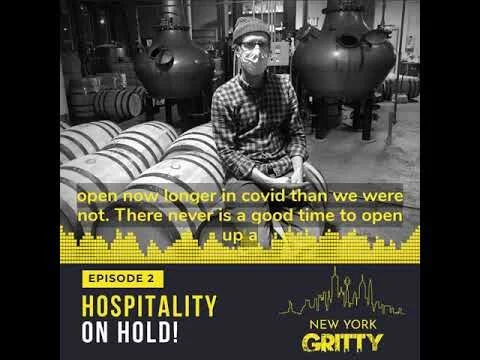
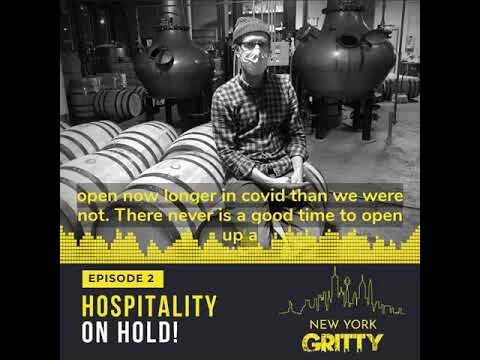
New York is the city that never sleeps thanks in part to more than 25,000 restaurants and bars. No industry and its supporting economic ecosystem has been devastated more than NYC's hospitality sector. As many as 50% of those eateries and bars may wind up closing permanently. But across the five boroughs, business owners are finding ways to survive, placing their hope in a roaring 2020's when the pandemic ends.
(Interviews with Michelin star chef Daniel Eddy, owner of Winner Cafe, Building on Bond owner Phil Morgan, Someday Bar owner Megan Rickerson, New York City Hospitality Alliance Executive Director Andrew Rigie.)
Listen on Apple Podcasts, Spotify, Google Podcasts, Stitcher, Amazon.

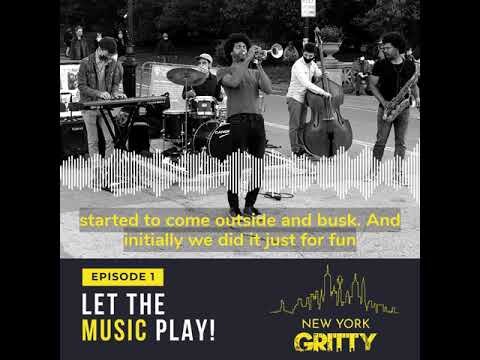
The coronavirus shutdown pressed pause on New York City's soundtrack. One year later there was no clear answer as to when tens of thousands of musicians could hit play again. Over 58,000 jobs are dependent on live venues in New York. When they were closed, musicians saw their role in society taken away overnight. While some left the city, others found ways to adapt and were sticking it out, waiting for live venues to open again.
(Interviews with trumpet player and composer Wayne Tucker, Saxophonist Marcus Strickland, Bobby Spellman and Emily Pecoraro of the Dingonek Street Band, NYC's "Nighttime Mayor" Ariel Palitz, Executive Director of New York City's Office of Nightlife.)
Listen on Apple Podcasts, Spotify, Google Podcasts, Stitcher, Amazon.

Is New York City in a death spiral, or will it mount an epic comeback from the impacts of the pandemic? New York Gritty explores the resiliency of New Yorkers in a time of crisis. Will they find a way to bring their city back from the brink of economic disaster, or has New York been irreversibly changed? The spread of coronavirus transformed the Big Apple in previously unimaginable ways, from shutting down the subway system overnight for the first time to dimming the lights on Broadway indefinitely. Over 1 million jobs were lost across New York during the shutdown. The city faces a projected $13 billion budget shortfall over the next four years. Each of the ten episodes of New York Gritty highlights a different area of the city’s economy and social fabric as host Steve Kastenbaum celebrates the anonymous and famous heroes who keep New York’s magic alive during dark times. The veteran radio journalist explores the looming challenges through the personal stories of his fellow New Yorkers. New York Gritty will premiere on February 16th.
Listen on Apple Podcasts, Spotify, Google Podcasts, Stitcher, Amazon
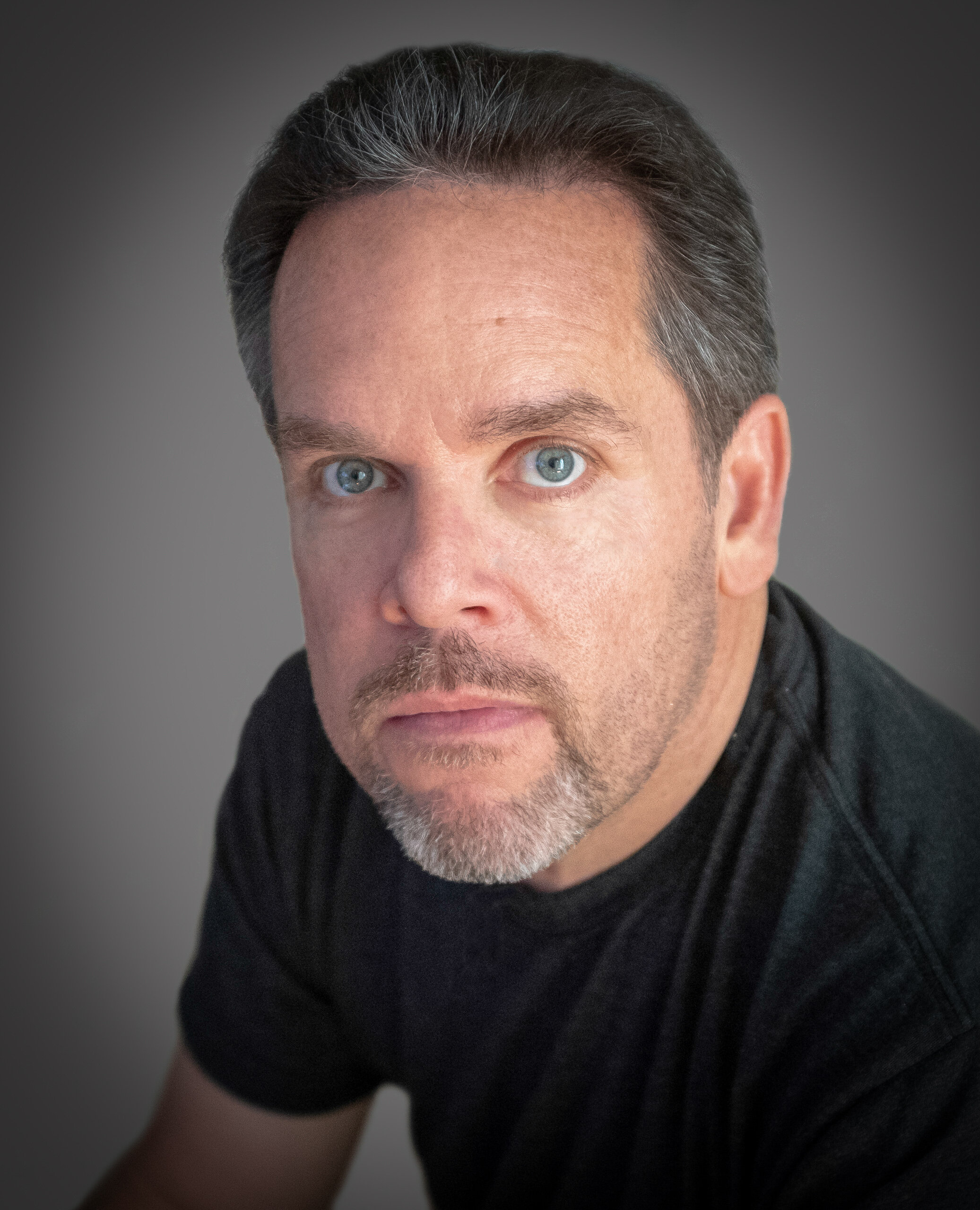
Steve Kastenbaum
The host of New York Gritty, Steve Kastenbaum, is an award-winning journalist with three decades of experience breaking news, crafting long-form and in-depth reports, and sharing human interest stories on deadline from the streets of New York to the presidential campaign trail to disaster zones worldwide.
Visit Steve’s Website
Email Steve
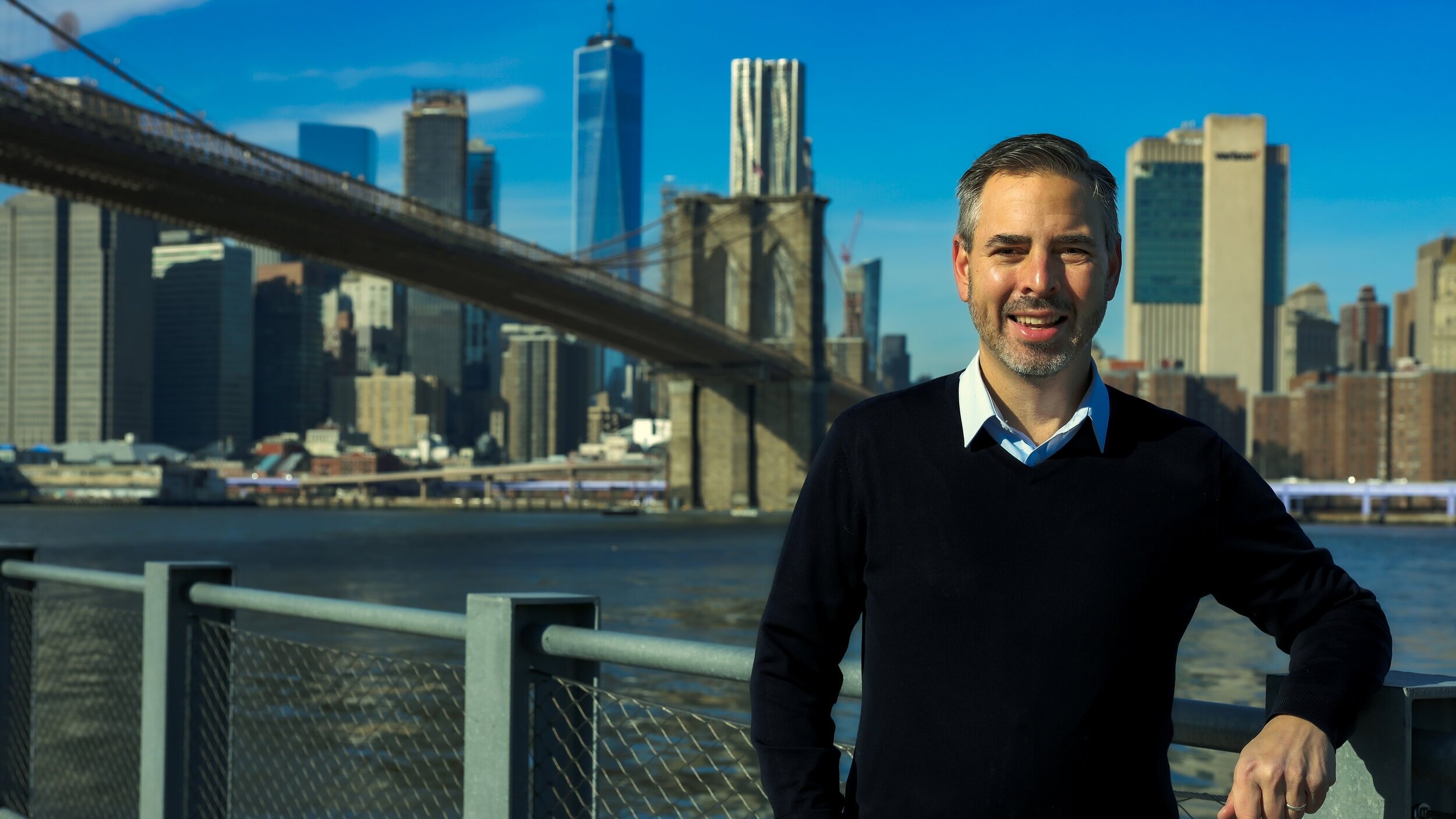
Andrew Kalb
Executive Producer
Andrew is founder and president of Blue Desk Productions, a full-service content consultancy, management and strategy firm providing a broad range of audio and video production services for broadcast, digital and podcast platforms. Previously, Andrew was Executive Director, Programming and News Coverage for the audio businesses of ABC News. He spearheaded the development of ABC News’ award-winning podcast network.
Visit Andrew’s Website
Email Andrew
Follow New York Gritty